
Views: 0 Author: Site Editor Publish Time: 2026-07-05 Origin: Site


Material specification is the highest-risk phase in custom packaging procurement. Selecting the wrong substrate compromises structural integrity and brand perception. Balancing material cost with performance requires precision on the production line. Under-specifying grammage leads to box deformation and product damage during transit. Over-specifying wastes budget, increases shipping weight, and causes cracking during die-cutting and folding operations. This guide breaks down the technical evaluation of duplex board, comparing GSM varieties, coating options, and backing types to ensure precise material matching for custom printing projects. We will examine how different weights behave on automated folding-gluing machines and how to specify the exact caliper needed for your structural design.
GSM Dictates Application: Lightweight boards (250gsm) suit flexible, low-load cartons, while heavy-duty boards (400gsm+) or laminated boards (900gsm+) are required for rigid structural packaging.
Coating Determines Print Quality: One side coated duplex board is mandatory for high-fidelity offset printing, providing a smooth surface that prevents ink absorption and dot gain.
Backing Impacts Cost: Grey-back duplex board offers significant cost savings through recycled pulp layers, making it the industry standard for secondary packaging where internal aesthetics are not critical.
Caliper vs. Weight: GSM (grams per square meter) measures weight, but buyers must also evaluate caliper (thickness) and stiffness to predict how the carton board will perform on automated packaging lines.
The structural composition of carton board relies on a multi-ply manufacturing process. Paper mills construct this material using distinct layers. The top liner consists of high-quality virgin or high-grade recycled pulp, engineered specifically to hold a clay coating. The bottom layers utilize lower-grade recycled paper. This layered approach creates a substrate that delivers a premium exterior printing surface while maintaining core structural strength through the thicker, recycled base layers. The pressing process bonds these plies together, creating a unified sheet designed to withstand the rigors of automated folding and gluing lines.
When evaluating the cost-to-performance ratio, this material occupies a strategic middle ground. Compared to Solid Bleached Sulfate (SBS), which uses entirely virgin bleached pulp and carries a premium cost, the multi-ply alternative provides comparable top-surface printability at a fraction of the expense. Conversely, when compared to standard Kraft board, it offers vastly superior graphic reproduction capabilities. This makes it the economical choice for high-volume custom printing where visual impact must be balanced with strict packaging budgets.
Material Type | Composition | Printability | Primary Application |
|---|---|---|---|
Duplex Board | Multi-ply (Virgin/Recycled top, Recycled base) | Excellent (Coated side) | Retail cartons, consumer goods |
Solid Bleached Sulfate (SBS) | 100% Virgin Bleached Chemical Pulp | Premium (Both sides) | Cosmetics, medical, direct food contact |
Kraft Board | Unbleached Virgin Wood Pulp | Moderate (Uncoated) | Heavy-duty shipping, rustic packaging |
Sustainability factors play a major role in modern material selection. The heavy reliance on post-consumer recycled content in the bottom plies allows companies to meet corporate Environmental, Social, and Governance (ESG) compliance targets. Utilizing recycled fibers reduces landfill waste and lowers the carbon footprint of the packaging lifecycle. This environmental benefit is achieved without sacrificing the printable top layer, ensuring brand graphics remain sharp and vibrant on the retail shelf.
Navigating global standardizations requires distinguishing between different paper board categories across supply chains. Folding Box Board (FBB) generally features mechanical pulp sandwiched between chemical pulp layers, offering high stiffness at lower weights. White Lined Chipboard (WLC) is closely related to standard multi-ply varieties, heavily utilizing recycled fibers. Understanding these regional and technical distinctions ensures accurate material sourcing when coordinating international packaging production.
Grams per Square Meter (GSM) serves as the universal metric for paper weight. It provides a standardized measurement that allows packaging engineers to specify material density accurately regardless of the geographical location of the paper mill. A higher GSM indicates a heavier, denser sheet, which generally translates to increased structural strength. However, GSM alone does not tell the complete story of how a board will behave during manufacturing and transit.
The correlation between GSM and caliper is a critical distinction. While GSM measures weight, caliper measures the actual thickness of the board, usually expressed in points (pt) or millimeters (mm). Two boards possessing the exact same GSM can exhibit different calipers depending on the fiber density, the specific pulp mixture used, and the pressure applied during the calendering process at the mill. A highly compressed board will have a lower caliper but high density, affecting its flexibility and foldability.
Determine the required load-bearing capacity of the packaging based on product weight.
Select a baseline GSM that historically supports that weight category.
Request caliper specifications from the mill to ensure the thickness fits your die-cutting machinery tolerances.
Test the stiffness using a Taber stiffness tester to confirm the board will not bow under vertical compression.
For North American buyers translating metric GSM to standard US Basis Weight (LBS) and Point (pt) caliper systems, establishing a comparative baseline is essential. A 300gsm board roughly translates to an 18pt caliper, depending on the specific mill's manufacturing tolerances. Understanding this conversion prevents miscommunication between international suppliers and domestic packaging designers, ensuring the final physical product matches the structural CAD drawings.
GSM directly correlates to the structural load-bearing capacity, rigidity, and burst strength of the board. Heavier boards resist puncturing and crushing forces better than their lightweight counterparts. When designing packaging that must stack on retail shelves or endure rough handling during shipping, selecting a GSM that provides adequate burst strength is non-negotiable to prevent product damage.
Manufacturers achieve extreme rigid cardboard box thicknesses by pasting multiple layers together through lamination. Single-ply boards max out around 450gsm to 500gsm before becoming too brittle to fold. By laminating thinner sheets together, producers create ultra-thick substrates. Exact laminated benchmarks include 1.5mm (equivalent to approximately 900gsm), 2mm (equivalent to approximately 1200gsm), and 3mm (equivalent to approximately 1800gsm) for high-end rigid setups.
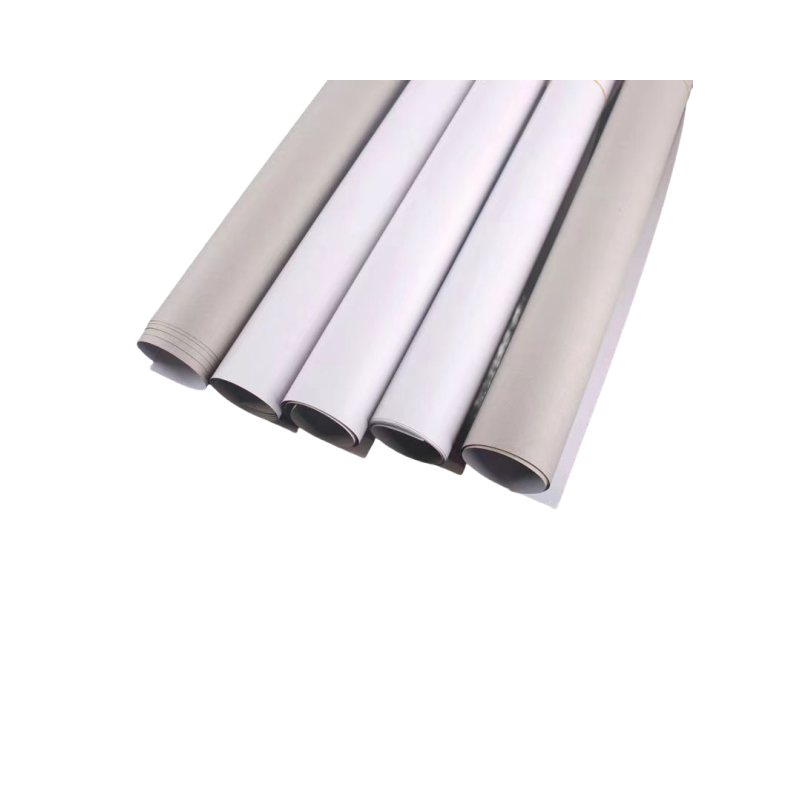
Lightweight boards are engineered for applications where the primary function is containment rather than structural protection. Common use cases include pharmaceutical boxes, lightweight cosmetics, software boxes, and fast-food secondary packaging. Beyond packaging, these weights are frequently utilized for heavy brochure covers and book jackets where flexibility is desired. The lower mass makes these boards highly economical for massive production runs.
The performance profile of this weight class centers on high foldability and low resistance to automated folding-gluing machines. These boards run exceptionally fast on production lines with minimal jamming. However, they are highly flexible and easily crushed under external load, meaning they cannot support heavy internal products or survive aggressive stacking without secondary corrugated master cartons.
A standard specification example involves utilizing a duplex board with grey back in 250gsm for cost-effective, high-volume retail cartons. This specification is ideal for holding less than 200 grams of product weight, such as blister-packed pills or small cosmetic tubes, where the internal grey backing remains hidden from the consumer.
The mid-weight category represents the workhorse of the folding carton industry. Use cases encompass cereal boxes, retail electronics, apparel packaging, and standard consumer packaged goods (CPG). This weight range provides enough substance to feel premium in the consumer's hand while remaining pliable enough for complex structural designs and window patching.
This range is considered the industry sweet spot. It perfectly balances structural rigidity for retail shelf display with ease of die-cutting and high-speed automated line runnability. The board maintains its shape under moderate vertical compression, ensuring that stacked retail displays do not buckle over time.
Deploying a 300gsm grey-back duplex board is standard practice to support retail products weighing between 200g and 500g. This specification maintains a premium printed exterior capable of high-end graphic reproduction while keeping material costs strictly controlled through the recycled base layers.
Heavy-duty applications demand maximum structural integrity from a single-ply substrate. Use cases include heavy hardware packaging, beverage carriers, large toy boxes, and base layers for litho-laminated corrugated boxes. These boards are designed to contain dense, heavy objects that would tear or deform lighter packaging during transit.
The performance profile offers maximum rigidity for single-ply board. This range sits at the absolute limit of what standard single-ply folding carton board lines can process. The thickness provides excellent puncture resistance and high vertical compression strength, making it suitable for demanding retail environments.
The primary implementation risk involves the physical mechanics of folding. High GSM boards require specialized scoring to prevent edge cracking during assembly. Precise die-line engineering is mandatory. Improper creasing leads to substrate failure, where the top coated layer splits, exposing the raw recycled fibers beneath and ruining the visual appeal of the packaging.
The application of a kaolin clay coating on the top layer transforms the raw paper into a high-performance printing surface. This coating fills in the microscopic valleys between the paper fibers, creating a non-porous, smooth surface. This barrier prevents liquid printing inks from soaking deeply into the paper, keeping the pigment on the surface for maximum vibrancy and sharpness.
Buying teams must request Parker Print-Surf (PPS) smoothness ratings and ISO brightness metrics to ensure consistent color matching across different production batches. A lower PPS value indicates a smoother surface, which is critical for reproducing fine halftone dots and intricate typography without distortion. Brightness metrics ensure that white areas of the design remain crisp and do not shift toward yellow or grey.
Specifying one side coated duplex board is non-negotiable for CMYK offset printing, UV varnishes, and intricate foil stamping. The smooth surface allows for precise registration of multiple ink stations and provides the necessary adhesion for post-press embellishments. Without this coating, achieving high-fidelity retail graphics is impossible.
Uncoated boards have rare, specific use cases. They are primarily utilized for industrial backing sheets, internal packaging dividers, and stiffeners where printability is entirely irrelevant. In these scenarios, the focus is purely on the mechanical strength and thickness of the board, allowing buyers to strip out the cost of the clay coating process.
Grey back board is constructed entirely of mixed recycled newsprint and pulp on its bottom layers. The primary advantage of this composition is maximum cost efficiency. By utilizing the lowest grade of recycled fibers for the unseen portions of the packaging, mills can produce a highly economical substrate. The trade-off is a lower perceived unboxing value, as the interior of the carton appears industrial. Furthermore, the recycled nature of the backing makes it strictly unsuitable for direct food contact without the addition of internal plastic barriers or food-safe coatings.
White back board features a bleached or white-lined bottom layer constructed from virgin or high-grade recycled fibers. The main advantage is a premium internal appearance, which is highly desirable for luxury goods, cosmetics, or health-adjacent products where cleanliness and brand perception extend to the inside of the box. The significant trade-off is higher material costs, as the refined white pulp requires more processing and higher-quality raw materials compared to standard grey recycled pulp.
The interaction between the coated surface of packaging duplex board and offset printing inks dictates the final visual quality. The clay coating controls ink absorption, leading to predictable drying times and accurate dot reproduction. If the coating is uneven, printers will experience mottling, where the ink appears patchy and inconsistent across solid blocks of color.
Evaluating how different GSMs handle post-press finishes is a critical engineering step. Heavyweight boards handle deep embossing and debossing exceptionally well, holding sharp structural lines without tearing. Conversely, applying heavy pressure to lightweight boards can punch completely through the substrate. Spot UV and hot foil stamping require a perfectly smooth, sealed surface to adhere correctly, making the quality of the top coating just as important as the board's weight.
Cracking on 90-degree folds is the most common failure point in carton manufacturing. This occurs when the tension on the outer coated layer exceeds its elasticity. Mitigation requires proper grain direction alignment. Folds running parallel to the paper grain crack less than perpendicular folds. Optimal scoring matrix selection ensures the crease is wide and deep enough to accommodate the board's thickness. Designers should avoid placing heavy, dark ink coverage directly on fold lines, as ink makes the coating more brittle.
Humidity directly affects storage and machinability. Paper fibers are hygroscopic, expanding when they absorb moisture and contracting when they dry out. If a board absorbs too much ambient humidity, it will warp, causing severe registration issues on the printing press and jamming automated folding machines. Controlling warehouse climate and allowing paper to acclimate to the pressroom environment before printing is critical to maintaining dimensional stability.
Defining success criteria starts with matching the board specification to the physical product weight, the intended transit method, and the specific retail environment. A product destined for a freezer aisle requires a board with specialized moisture-resistant sizing, whereas a dry shelf product prioritizes visual brightness and stiffness. The specification must align perfectly with the physical demands the carton will face from the factory floor to the consumer's home.
Implementing a strict quality inspection checklist protects buyers from substandard material. Procurement teams must verify GSM tolerance, which should strictly fall within ±3% to ±5% of the target weight. Testing the moisture content percentage is vital; ideal levels sit between 6% and 9% to prevent warping and cracking. Checking stiffness and bending resistance metrics using standard Taber stiffness testing ensures the board will run smoothly on packaging lines.
Ordering unprinted CAD prototypes at the exact target GSM is a mandatory step before mass production. These dummies allow engineering teams to test structural integrity, verify automated folding-machine compatibility, and confirm the physical product fits perfectly within the designated dimensions. Skipping this step often results in thousands of unusable cartons if the board proves too weak or too thick for the intended design.
Supplier evaluation requires looking beyond the raw material specifications. Buyers should assess paper mills and packaging partners based on their consistency in caliper tolerance and coating uniformity across multiple batches. Certifications such as FSC (Forest Stewardship Council) demonstrate a commitment to responsible sourcing, which is increasingly demanded by major retail chains and environmentally conscious consumers.
Audit your current packaging failure rates to identify structural weaknesses in your supply chain.
Request a comprehensive GSM swatch book from your packaging supplier to physically evaluate material stiffness.
Commission a blank structural prototype using the exact specified board before committing to a full production run.
Verify the grain direction on your die-lines to prevent cracking on major structural folds.
A: Duplex board uses a multi-ply construction with a coated top layer and recycled pulp base layers, offering an economical solution for standard packaging. Solid Bleached Sulfate (SBS) is made entirely from virgin bleached chemical pulp, providing superior whiteness throughout the sheet and higher tear resistance, but at a significantly higher material cost.
A: No. A 300gsm board is designed for primary retail packaging to hold lightweight consumer goods. It lacks the burst strength and crush resistance required for external shipping. It must be placed inside a corrugated master carton for safe transit through courier networks.
A: Cracking occurs when the tension on the outer coated layer exceeds its flexibility during a fold. This is exacerbated by incorrect grain direction, inadequate scoring depth, low moisture content in the paper, or applying heavy layers of dark ink directly over the fold lines.
A: Standard board with recycled backing is not FDA-approved for direct food contact due to potential contaminants in the recycled pulp. It requires an extruded polyethylene (PE) coating or a separate food-safe internal barrier bag to prevent migration of chemicals into the food.
A: There is no exact universal conversion because density varies by paper mill. However, a general industry baseline estimates that 1mm of laminated thickness equals approximately 600gsm. Therefore, a 1.5mm rigid board is roughly 900gsm, and a 2mm board is approximately 1200gsm.
A: The standard operational range for single-ply folding carton board sits between 250gsm and 400gsm. Boards lighter than 250gsm lack structural rigidity for retail display, while boards heavier than 400gsm become difficult to die-cut and fold on high-speed automated packaging lines without specialized tooling.


