
Views: 0 Author: Site Editor Publish Time: 2026-08-13 Origin: Site


Have you ever examined a sheet of drywall before installation? It features two entirely distinct paper surfaces. This stark difference goes far beyond mere aesthetics. Incorrect material specification often leads to severely compromised finish quality. Improper installation orientation regularly causes failed building inspections. Crews face costly rework when they ignore these basic material properties. Understanding the chemical differences between the front and back liners is highly critical. These variations directly impact joint compound adhesion and aesthetic finishing. You must align your materials to comply with strict architectural specifications.
Grasping the nuances of gypsum board face paper vs back paper protects your project integrity. This article provides a comprehensive technical breakdown of standard drywall liners. We help contractors, procurement managers, and architects evaluate specific material properties. You will discover how to avoid common site errors. We also guide you to source the exact specifications needed for your next build.
Visual & Structural Distinction: Face paper is typically lighter (ivory/manila), smooth, and designed for compound adhesion, while backing paper is darker (grey/brown), rougher, and strictly functional.
Edge Wrapping: The face paper continuously wraps around the long edges of the gypsum core to protect it, whereas the back paper lays flat over the folded face paper.
Installation Rule: The face paper must always face outward (toward the room) to accommodate joint tape, mud, and paint finishes.
Performance Limitations: Standard gypsum board paper is not waterproof; environments requiring high moisture resistance must utilize specialized treated papers (e.g., greenboard) or paperless alternatives.
Gypsum board manufacturing relies on a precise, continuous industrial process. Factories pour a wet, calcined gypsum slurry between two massive rolls of paper. These heavy paper liners sandwich the wet core. They travel down a long conveyor line while the core sets. The paper essentially acts as a mold. It holds the slurry in a flat plane until it hardens.
The Gypsum Liner Face plays a vital role in this assembly. Manufacturers engineer it specifically for surface finishing. It tightly controls the drying rate of joint compounds. This controlled moisture absorption prevents mud from cracking. It slows down the hydration process of the finishing materials. It also provides exceptionally high tensile strength. This strength prevents surface fracturing during transportation. Installers rely on this strength when driving drywall screws. The dense fibers stop the screw head from tearing through.
Conversely, the Gypsum Liner Back serves a rugged, structural purpose. It acts as the primary structural anchor for the board. It tolerates intense friction against wooden wall studs and metal framing. Installers slide heavy panels across rough framing continuously. The reverse liner must withstand this abrasion. Manufacturers typically produce it from lower-grade, 100% recycled newsprint. You will often find recycled corrugated cardboard mixed into its composition. It prioritizes sheer durability over visual appeal. This heavy recycling reduces manufacturing waste significantly.
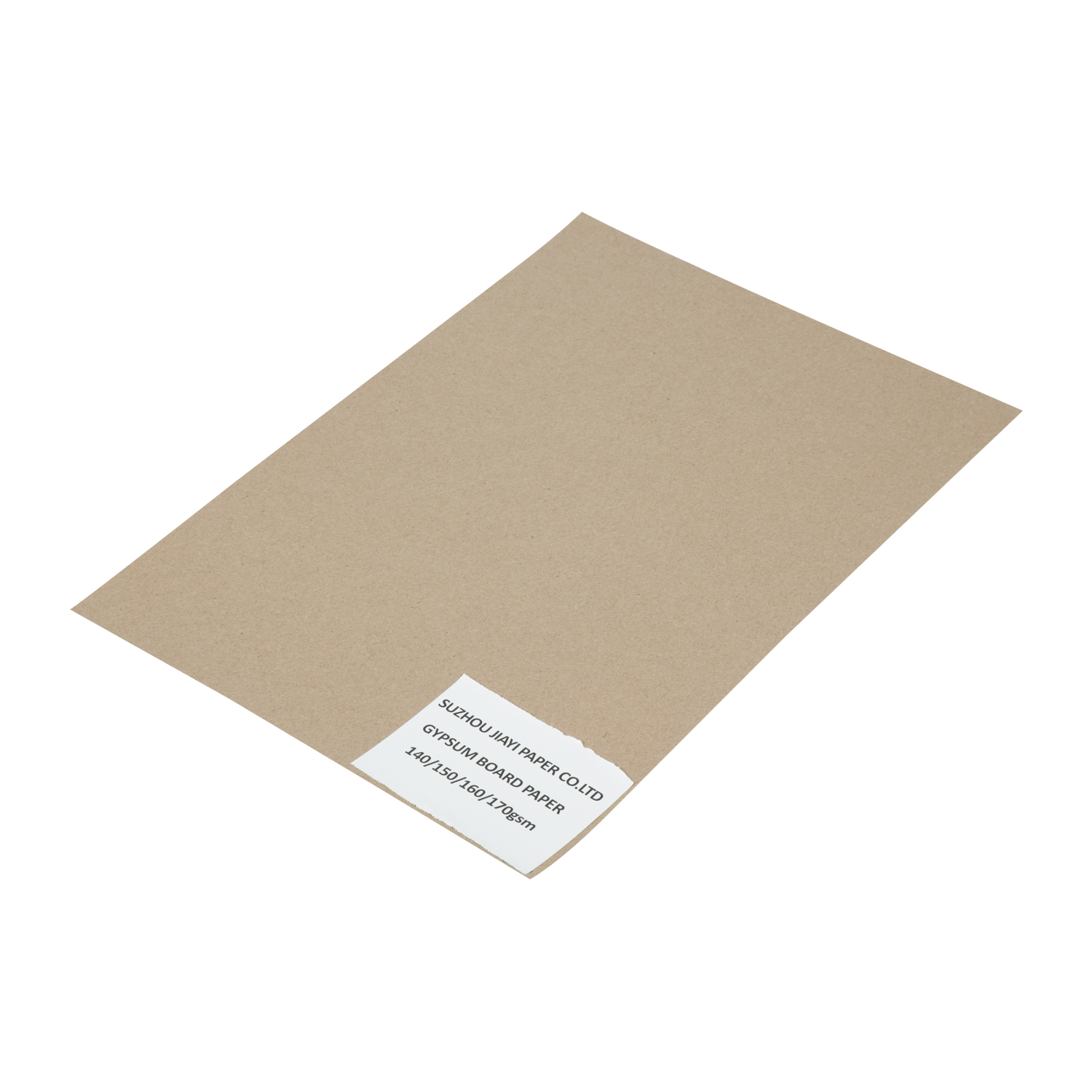
Contractors must distinguish between liners visually and physically. Surface texture reveals the most obvious difference. The Face Paper features a highly calendered finish. Calendering relies on massive steel rollers to compress the paper. This pressure flattens and smooths the individual cellulose fibers. This smooth surface minimizes paint absorption. It significantly reduces your finishing labor. Painters use less primer to seal the wall. Meanwhile, the Backing Paper remains completely uncalendered. It feels highly porous and noticeably fibrous. It absorbs moisture rapidly.
Color coding systems help inspectors quickly verify materials on site. Standard board utilizes ivory or white on the front. The back displays a natural grey or brown hue. Specialty boards use colored dyes on the front side. Fire-rated Type X boards often carry subtle identifying markings. Moisture-rated boards use vibrant green, blue, or purple dyes. This allows rapid building inspector verification. Inspectors can walk a framed room and immediately confirm compliance.
Differing paper weights directly contribute to panel rigidity. The combined tensile and flexural strength prevents sagging. This matters immensely during overhead ceiling installations. The heavier front liner handles tension. The back liner manages compression when boards bend. If either liner fails, the gypsum core snaps.
Characteristic | Front Liner | Reverse Liner |
|---|---|---|
Surface Texture | Smooth, highly calendered | Rough, uncalendered, fibrous |
Porosity | Low (resists paint absorption) | High (absorbs moisture rapidly) |
Typical Color | Ivory, White, Green, or Blue | Grey, Light Brown, or Kraft |
Primary Function | Finishing base, tensile support | Friction resistance, compression |
Hanging drywall incorrectly creates disastrous finishing problems. Installing a board "inside out" represents a critical failure. Novice installers occasionally make this costly mistake. Joint compounds will not adhere evenly to the rough reverse side. The fibrous texture pulls too much moisture from the wet mud. This rapid drying causes severe joint cracking. Painters face massive challenges masking the rough surface. It requires excessive, expensive skimming to hide the error. The wall will always look uneven under bright lighting.
You must also consider the tapered edge factor. The front liner continuously forms a recessed edge along the panel lengths. This shallow depression accommodates joint tape and mud. It allows finishers to create a perfectly flush wall. They fill the recess with compound. The reverse side remains entirely flat. Taping a flat seam creates an ugly, visible bulge. You cannot easily feather out a reverse-side joint.
Remediation requires careful evaluation. What do you do if a contractor installs a sheet backward? You must assess the risk and material waste.
Assess the scope: Determine if it is a single sheet or an entire commercial hallway. Small areas demand different fixes than massive errors.
Consider teardown: Ripping it out often costs less than heavy skim coating. Labor rates usually exceed raw material replacement prices.
Apply specialized primers: High-build bonding primers can sometimes seal the rough fibers. This works best for small, isolated mistakes.
Evaluate performance risk: You must ensure the reversed board will not fail. Inspect the screw depths carefully. The uncalendered side tears easily under screw pressure.
Standard boards fail quickly in damp environments. Constant humidity degrades untreated paper rapidly. Moisture and mold resistance require advanced materials. Chemical treatments fundamentally alter the liners. Factories infuse wax and specialized silicones into standard Gypsum Board Paper. This creates the classic "greenboard" used for damp zones. These boards resist mold spore growth. You typically install these in half-baths, laundry rooms, and residential kitchens.
Sometimes, paper cannot survive the environment at all. Paperless alternatives utilize fiberglass mats instead of cellulose. We use glass-mat panels for highly wet areas. They perform exceptionally well for exterior sheathing. They resist moisture intrusion completely. Mold cannot grow on inorganic fiberglass. However, you face strict limitations. You should never replace cement board with paper-faced products in direct-water applications. Shower tile backing requires true waterproof underlayments. Paper liners will eventually rot behind shower tiles.
Veneer plaster base offers another highly specialized option. The industry calls this material blueboard. It features a highly absorbent front liner. Engineers designed it specifically for wet plaster bonding. Standard drywall repels heavy moisture intentionally. Blueboard eagerly absorbs moisture to lock the plaster tightly. You cannot substitute one for the other. Mud will peel off blueboard. Plaster will slide right off standard drywall.
Sourcing the correct specifications prevents devastating job site failures. Procurement teams must scrutinize Spec Data Sheets (SDS) closely. You cannot buy materials based on price alone. Look closely for paper bonding integrity data. Review factory testing results for delamination resistance. Weak bonding causes the surface to peel during taping. When you pull the tape, the paper rips off.
Sustainability standards also drive modern procurement decisions. Commercial builders actively seek LEED certification credits. You must verify the percentage of post-consumer recycled content. The reverse side liner often provides the highest recycled yield. Manufacturers use old newspapers and cardboard extensively here. Documenting this recycled content helps secure green building points.
ASTM compliance guarantees baseline structural safety. Ensure your chosen boards meet strict ASTM C1396 criteria. This Standard Specification dictates acceptable performance thresholds. It sets humidified deflection limits. It mandates nail pull resistance for both liners. Boards failing these tests pose safety hazards.
Apply logical shortlisting strategies when selecting suppliers. Follow these proven best practices:
Balance sheet costs against labor: Cheaper boards often feature inferior liners. Your painters will spend extra hours fixing bad paper.
Calculate finishing labor: Poor surfaces require more primer and heavy sanding. Labor always costs more than premium materials.
Prioritize reliable manufacturers: Consistent material quality reduces overall site delays. You avoid inconsistent edge tapers.
Verify storage conditions: Avoid suppliers who store paper-based products outdoors. Sun and rain destroy liner integrity before delivery.
The distinction between gypsum board face paper vs back paper matters deeply. It is never just a simple aesthetic preference. It represents a strict structural and chemical necessity. Proper wall assembly relies entirely on correct material orientation. The smooth front accommodates compounds beautifully. The rugged back handles friction and framing stress. Mixing them up causes immediate job site failures.
Take immediate action on your next build. Review all current project material submittals carefully. Ensure your architects specify the correct board type for each environmental zone. Standard, moisture-resistant, and paperless panels all serve distinct architectural purposes. Verify these exact details before placing any bulk orders. This proactive step guarantees a flawless, inspector-approved finish.
A: No, you should never apply finishing materials to the back paper. It lacks the required sizing and calendering. The rough, highly porous surface absorbs moisture too quickly. This causes joint compound to crack, peel, and bubble. Painting it requires excessive primer and yields an unacceptably rough, ugly finish.
A: The face paper wraps around the long edges to provide crucial structural protection. This wrapping encapsulates the fragile gypsum core. It prevents the core from crumbling during transport, handling, and installation. It also creates a smooth, continuous surface for seamless joint taping and finishing.
A: No, standard backing paper does not act as a vapor barrier. It is highly porous and breathable. It allows water vapor to pass through the wall assembly freely. If your building code requires a vapor retarder, you must install a separate polyethylene film or specialized foil-backed drywall.
A: You can easily identify the front by feeling the texture. The front feels smooth and somewhat slick. The back feels rough, fibrous, and resembles cardboard. Additionally, standard front paper is typically ivory or white. Manufacturers always print their certification stamps and tracking codes on the back paper.


