
Views: 0 Author: Site Editor Publish Time: 2026-06-01 Origin: Site


Packaging and printing buyers face a relentless challenge today. They must deliver premium, highly rigid packaging without blowing the budget. It is a tough balancing act to master. You cannot afford to inflate shipping weights or material costs. You also must meet strict Environmental, Social, and Governance (ESG) targets to satisfy modern consumers. Relying on flimsy single-ply chipboard often leads to damaged goods. Relying on expensive, non-recyclable plastics creates heavy compliance issues. These outdated choices cause more problems than they solve.
Upgrading to a resilient, multi-ply material easily resolves this tension. This engineered substrate effectively bridges the gap between structural durability, cost-efficiency, and real sustainability. Read on to discover the verifiable, bottom-line benefits of this material. We will provide a clear framework to help you evaluate material specifications. You can use these insights confidently for your next high-volume packaging run.
Multi-ply lamination utilizes PVA water-based glues to achieve extreme density (up to 2000+ GSM), ideal for 90-degree V-cut luxury packaging.
The material serves as a scalable, cost-efficient alternative to plastics and metals in rigid box manufacturing and POS displays.
Smooth, highly customizable surfaces support high-end printing, foil stamping, and lamination without structural degradation.
100% recycled fiber composition offers a verifiable compliance pathway for zero-waste and sustainable packaging initiatives.
Premium packaging demands sharp, flawless edges. Brands selling cosmetics, electronics, or fine jewelry require packaging capable of resisting severe crushing forces during global transit. Single-ply boards routinely fail under these harsh conditions. They easily crack, warp, or completely delaminate when exposed to heavy stacking pressure. This structural failure instantly ruins the unboxing experience and damages brand reputation.
Manufacturers engineer multi-ply boards to overcome these exact physical limitations. They meticulously press multiple fiber layers together using PVA water-based glue. High-pressure machinery compresses these bonded layers into a single, cohesive unit. This intensive manufacturing process results in exceptional folding endurance. It creates a substrate possessing completely uniform density from edge to edge.
This high rigidity fundamentally changes how you manufacture luxury boxes. It allows production lines to execute precise "V-cut" or V-groove processing. Machine blades remove a microscopic triangular section of the board without compromising the base structure. This enables clean, perfectly sharp 90-degree folds. You need these exact folds for magnetic closure boxes. They are absolutely essential for luxury rigid box board applications. The technique guarantees the delicate outer paper wrap never tears.
You must evaluate specific criteria before ordering. Always assess the required density ranges for your unique project. These typically span from 300 GSM up to a massive 2000+ GSM. Measure your caliper thickness against your product's actual weight. A 1.2mm board works beautifully for light cosmetics. Conversely, you should specify 3.0mm or higher for heavy-duty magnetic boxes holding premium electronics.
Always request a V-cut prototype before approving a mass production run.
Check the corners for micro-tears after executing a 90-degree fold.
Ensure the board density strictly matches the internal product weight.
Unfinished packaging substrates often create massive production headaches. Rough, porous surfaces eagerly absorb expensive inks. They require multiple, costly steps of chemical priming before they can accept high-quality brand graphics. If you skip these priming steps, your premium wraps will look terrible. The final product will display ugly bumps, dull colors, and an overall cheap appearance.
Laminated grey board completely eliminates these finishing hurdles. It offers a consistently smooth, tightly compressed surface texture. This flawless canvas readily accepts high-quality paper wrapping without showing underlying fiber textures. You can apply black-grey facing seamlessly. You can easily utilize white-lined custom finishes to make vibrant brand colors pop off the shelf.
The execution details matter immensely for luxury brands. A smooth core material handles complex secondary processing with zero structural degradation. We often see brands utilizing the following premium techniques on this substrate:
Die-cutting: Creating intricate display windows without fraying the board edges.
Deep embossing: Pressing 3D logos into the board without causing the back layer to fracture.
UV coatings: Applying spot gloss finishes securely to specific graphic elements.
Foil stamping: Transferring metallic foils smoothly using heat and pressure.
These capabilities ensure luxury brands retain complete visual authority. They achieve this premium look while still using a highly cost-effective, recycled core material underneath. However, you must actively practice risk mitigation during procurement. Always ensure your supplier formally guarantees anti-peel properties during the lamination phase. Poorly glued layers will eventually bubble. This ruins the entire box when applying high-gloss or matte films.
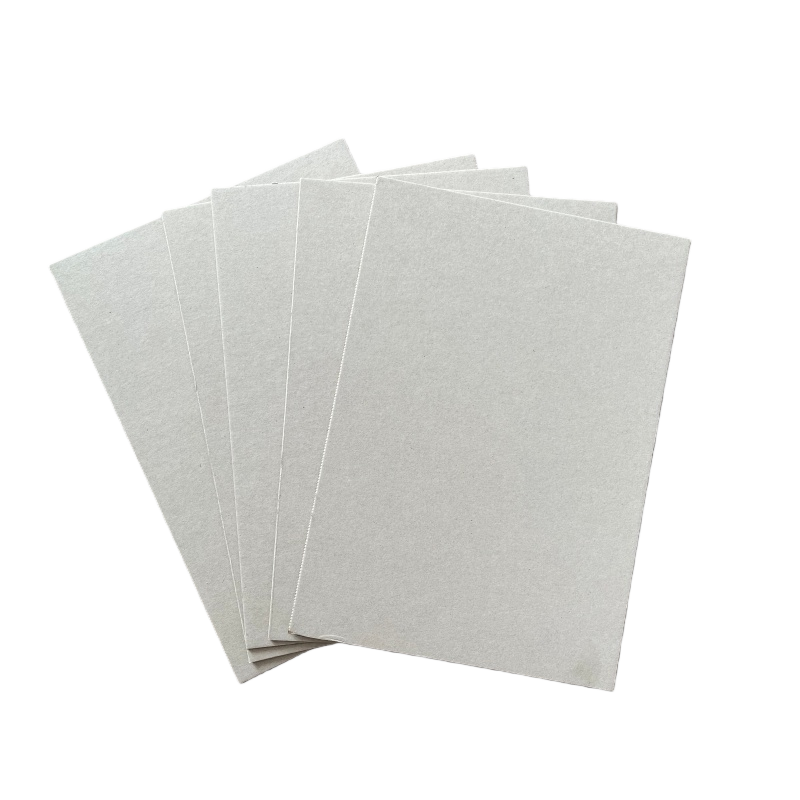
Humidity fluctuations present a silent, constant threat inside global supply chains. Ocean freight containers routinely experience massive temperature shifts. These shifts create condensation. This moisture quickly warps standard, highly porous paperboards. Warped packaging leads directly to compromised structural integrity and heavily damaged goods.
The protective capabilities of a multi-ply board provide excellent defense against this threat. The high-pressure fiber compaction reduces internal air pockets. This naturally increases the material's moisture resistance compared to a standard, low-density chipboard. Moisture struggles to penetrate the tightly bonded, glue-sealed layers. This keeps the box shape intact even in damp warehouse environments.
Various industries actively leverage these protective traits for demanding applications. We see excellent results when deploying this material for the following uses:
Industrial protective inserts: Securing heavy ceramic or glass products during transit.
Consumer electronics dividers: Separating cables and devices without shedding paper dust.
Semi-outdoor POS displays: Maintaining structural rigidity in humid retail environments.
You must acknowledge one vital, trustworthy caveat here. While highly resistant to ambient humidity, the material is not inherently waterproof. You cannot use it for holding liquids. For indirect food packaging like bakery boxes or beverage carriers, you must modify it. You must explicitly pair the board with a certified PE-coated barrier. This barrier strictly separates the recycled fibers from any edible contents.
Material Type | Porosity Level | Humidity Resistance | Best Use Case |
|---|---|---|---|
Standard Chipboard | High | Low | Short-term dry retail |
High-Density Multi-Ply Board | Low | High | Ocean freight, electronics |
PE-Coated Multi-Ply Board | Zero (Surface) | Maximum | Indirect food contact |
Procurement teams constantly battle volatile raw material markets. Sourcing rigid plastics, heavy metals, or virgin wood pulp is incredibly frustrating. These materials fluctuate wildly in unit cost. Furthermore, suppliers often impose restrictive minimum order quantities (MOQs). These strict MOQs trap your capital in excess inventory.
Switching to a compressed fiber board provides a massive scalability edge. It securely delivers the rigid performance of much heavier materials. It achieves this at a fraction of the traditional cost. You no longer have to pay premium prices for petroleum-based plastics just to get a stiff box.
Procurement flexibility represents another major advantage. Certified suppliers typically offer highly versatile purchasing options. You can order the material in flat sheets or massive continuous rolls. You can easily request small runs for prototyping or bulk runs for global launches. This flexibility allows brands to scale up rapidly for peak retail seasons. It also allows them to scale down seamlessly for limited-edition product drops. You accomplish all this without ever crippling your overhead budget.
Your return on investment improves through weight reduction as well. Reduced material weight directly lowers outbound freight charges. It also slashes your ongoing warehousing costs. Let us compare the baseline metrics across traditional rigid packaging substrates.
Substrate | Relative Material Cost | MOQ Flexibility | Impact on Freight Weight |
|---|---|---|---|
Rigid Plastics (PET/PVC) | High | Rigid (High Volume Required) | Heavy |
Metal Tins / Casings | Very High | Rigid (Tooling Costs Apply) | Very Heavy |
Multi-Ply Fiber Board | Low to Medium | Highly Flexible (Sheets/Rolls) | Light to Medium |
Modern consumers actively demand sustainable packaging solutions. Global regulatory bodies constantly introduce stricter waste management laws. However, premium brands cannot simply sacrifice product durability to achieve "green" labels. Flimsy eco-boxes damage products and ultimately create more waste.
The composition of multi‑ply laminated grey board perfectly solves this modern dilemma. Manufacturers produce it entirely from 100% recycled fibers. The core ingredients include post-consumer waste, old newspapers, and recycled corrugated materials. This closed-loop sourcing heavily reduces our global reliance on virgin timber. It effectively protects endangered forests.
This material generates a massive impact on the circular economy. Even when you wrap it in premium paper or print heavily on its surface, the core board remains highly recyclable. Consumers can simply drop the empty box into standard municipal recycling bins. The fibers will break down and re-enter the manufacturing stream.
You need strict vendor shortlisting logic to protect your brand reputation. Do not accept vague environmental claims. When evaluating new suppliers, you must require documented FSC (Forest Stewardship Council) certifications. You must also verify their specific lamination process. Ensure they exclusively use eco-friendly, PVA water-based adhesives during their multi-ply pressing process. Toxic solvent glues will contaminate the recycling stream. Water-based glues ensure your brand's ESG claims remain completely unassailable in the public eye.
Accepting verbal eco-friendly claims without verifying actual FSC certification documents.
Failing to ask the manufacturer about the chemical makeup of their lamination adhesives.
Using non-recyclable metallic laminates over the board, which destroys end-of-life recyclability.
Multi‑ply laminated grey board is not just a commodity paper product. It stands as a highly engineered, decision-stage substrate. It perfectly bridges the gap between premium brand presentation, excellent supply chain economics, and stringent environmental compliance. By switching to this material, you secure sharp V-cut edges, protect products from crushing, and easily meet global ESG standards.
Take action on these insights today. First, audit your current packaging bill of materials. Identify any heavy plastic inserts or overly expensive virgin boards currently in use. Next, determine if they can be seamlessly replaced with a 1.5mm–2.0mm laminated rigid board. Finally, reach out to certified manufacturers. Request physical sample sheets to begin your V-cut prototyping immediately.
A: Standard chipboard is typically a thinner, single-layer material under 1mm thick. Manufacturers use it mostly for light retail cartons. Multi-ply laminated grey board fuses multiple recycled layers together using water-based glue. This achieves massive thicknesses from 1mm up to 5mm for heavy-duty structural applications.
A: Thickness is measured in millimeters or microns. Light cartons require 0.8mm–1.0mm. Puzzles and cosmetic boxes perform best with 1.2mm–1.5mm. Standard rigid boxes use 1.8mm–2.0mm. Heavy-duty logistics or luxury magnetic closure boxes demand 2.2mm–3.0mm or higher to prevent warping.
A: It is safe for indirect food contact only. Because factories make it from 100% recycled materials, you must line the board with a food-safe barrier. Applying a PE-coated paper effectively separates the recycled fibers from your edible items.
A: No, it does not. Provided the manufacturer strictly uses industry-standard PVA water-based glues, the board remains fully recyclable. These specific adhesives dissolve safely during repulping, allowing the multi-ply board to re-enter the circular economy at the end of its lifecycle.


